

Flowering houseplant: what to do when you see no blooms
Plant rescue guide
When a flowering houseplant shows no blooms, most owners jump to one dramatic fix and accidentally make stress worse.
Visual diagnosis
Flowering stress pattern
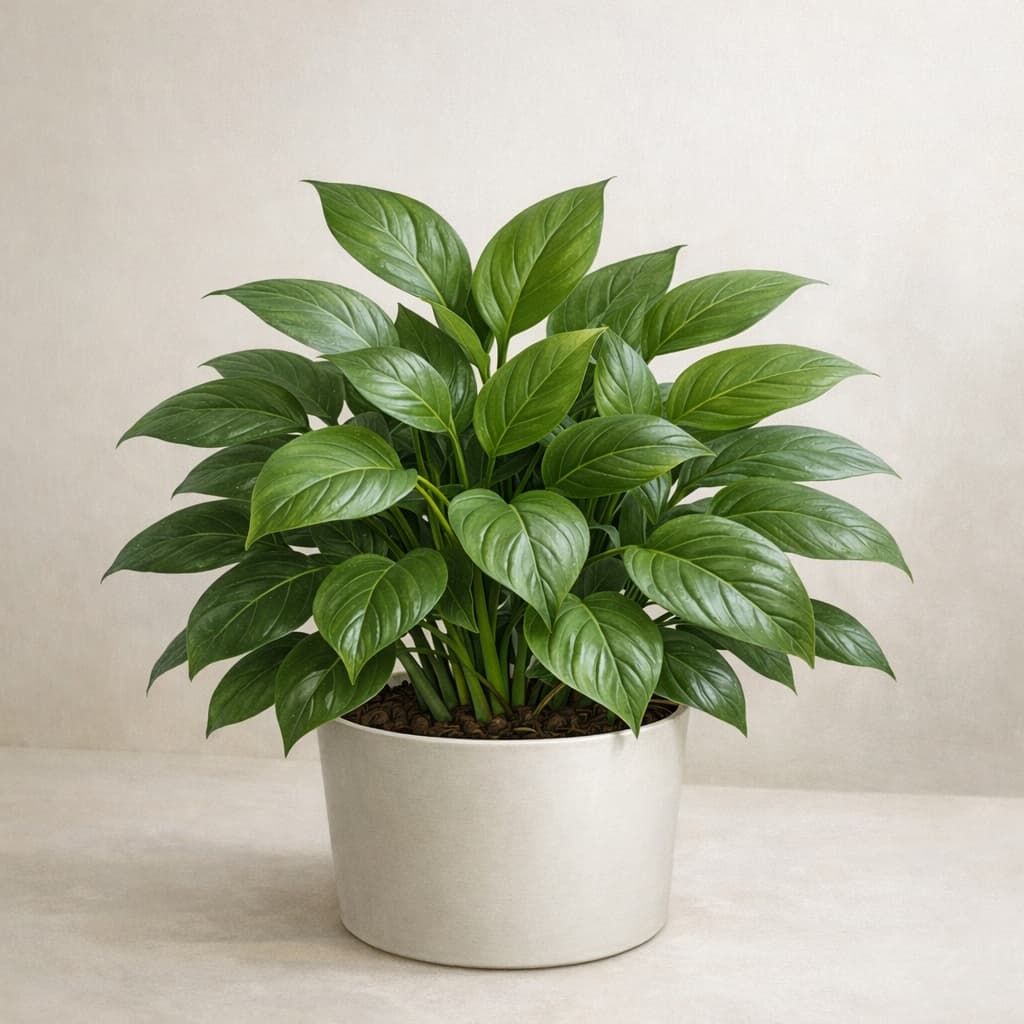
Quick action map
Likely reason
Root-zone mismatch is the most frequent trigger. Even if topsoil looks dry, deeper substrate can stay wet for days. Oxygen-starved roots reduce nutrient transport, and leaves respond with no blooms.
Check right now
establish a baseline for seven days. Keep the plant in one place, pause fertilizer, and water only after checking moisture at root depth with a skewer or finger. Stability gives reliable feedback.
Do this today
Use a repeatable check-in day each week. Record moisture, leaf firmness, and light exposure in short notes so pattern changes become obvious before severe symptoms appear.
Why this happens
- Root-zone mismatch is the most frequent trigger. Even if topsoil looks dry, deeper substrate can stay wet for days. Oxygen-starved roots reduce nutrient transport, and leaves respond with no blooms.
- Light inconsistency creates invisible pressure. A plant can survive low light for a while, but lower photosynthesis means slower water use. The same watering schedule then becomes excessive relative to demand.
- Sudden environmental shifts, like moving a pot near a heater or cold window, disrupt transpiration. The plant loses or retains water faster than roots can compensate, and foliage quality declines.
- Input concentration issues matter: too much fertilizer, hard water salts, or compacted old soil all impair uptake. The visible symptom appears on leaves, but the origin is usually below the surface.
How to recover step by step
- Step 1: establish a baseline for seven days. Keep the plant in one place, pause fertilizer, and water only after checking moisture at root depth with a skewer or finger. Stability gives reliable feedback.
- Step 2: audit drainage and pot size. Ensure free drainage holes, remove standing water from saucers, and confirm the pot is not dramatically oversized. Oversized containers hold excess moisture too long.
- Step 3: optimize light quality before changing water volume aggressively. Move the plant to bright indirect light if possible, and avoid abrupt full-sun exposure that can add new stress layers.
- Step 4: prune only clearly dead tissue. Keeping partially functional leaves helps recovery because they still support photosynthesis. Heavy pruning during stress often reduces the plant's recovery capacity.
- Step 5: restart feeding conservatively after visible improvement. Use half-strength fertilizer, extend intervals, and monitor new growth rather than old leaves. New growth is the best indicator that your system works.
Want fewer surprises with flowering houseplant care?
Use MyGreens to track check-ins, reminders, and gradual care adjustments before stress becomes visible.
Download on App StoreHow to prevent repeats
- Use a repeatable check-in day each week. Record moisture, leaf firmness, and light exposure in short notes so pattern changes become obvious before severe symptoms appear.
- Match potting mix to your room climate. In low-airflow apartments, add more aeration material; in dry bright rooms, keep moderate moisture retention to avoid rapid swings.
- Treat watering as a decision, not a calendar event. Watering by date alone ignores seasonal growth shifts and often causes the same problem to return.
- Keep corrective changes small and sequential. One measured adjustment per week is safer than multiple large interventions that hide cause-and-effect relationships.
FAQ
How long does recovery usually take after no blooms?
Visible stabilization often appears in 10-21 days, while full cosmetic recovery can take one or two growth cycles. Judge progress by healthier new leaves, not by rapid improvement of old damaged tissue.
Should I repot immediately when I see no blooms?
Only repot when root conditions clearly require it, such as persistent sour smell, compacted media, or rot signs. Unnecessary repotting adds stress and can delay recovery if done at the wrong moment.
Is fertilizer helpful during acute stress?
Usually no. During acute stress, roots absorb poorly and fertilizer can increase osmotic pressure. Pause feeding until hydration and light are stable and the plant shows active new growth.
Can damaged leaves become green and perfect again?
Minor discoloration may stabilize, but heavily damaged tissue rarely fully reverses. The main objective is preventing spread and supporting clean new growth under improved care conditions.
Important
This content is educational and general. For severe infections, toxic exposure, or valuable collection plants, consult a qualified plant specialist for case-specific treatment.
Want fewer surprises with flowering houseplant care?
Use MyGreens to track check-ins, reminders, and gradual care adjustments before stress becomes visible.
Download on App Store